Aircraft Wheel Chocks: Sizing and Apron Best Practice
Choosing aircraft wheel chocks in the right material and height is key to safe parking and tyre protection. A practical sizing and placement guide.
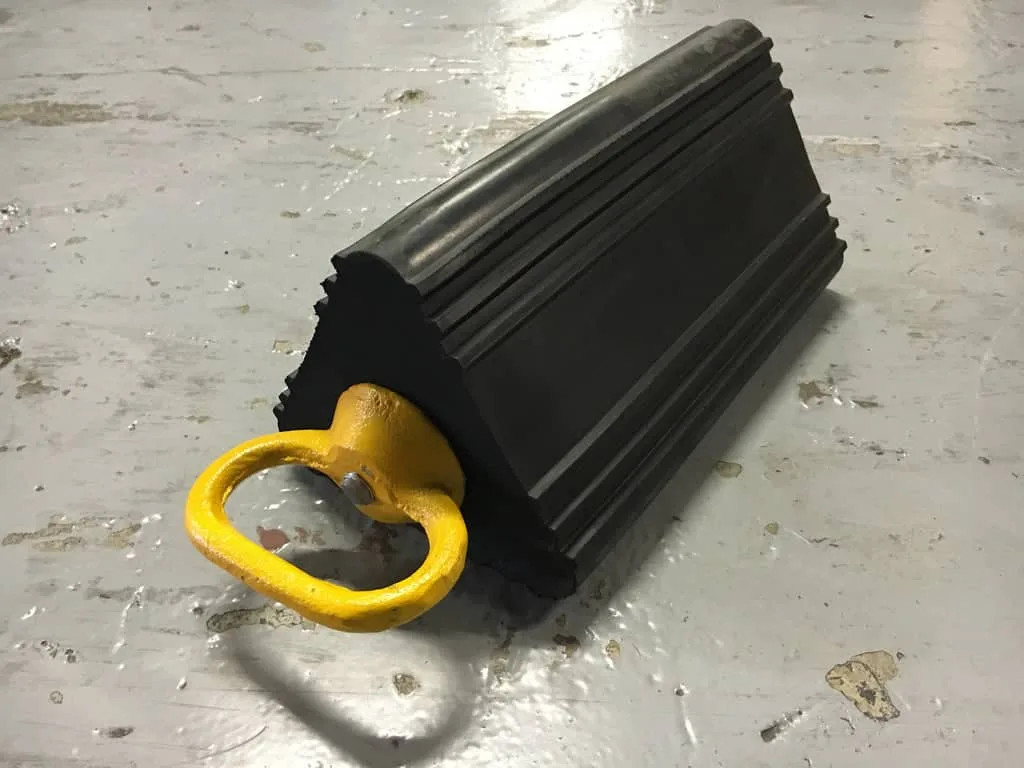
Keeping an aircraft securely parked starts with correct chocking. It looks simple, but done poorly it invites unintended movement, tyre damage, and avoidable delays. This guide gives ground handlers and airside teams a practical reference for selecting, sizing, and placing aircraft wheel chocks on the apron.
What aircraft wheel chocks do
Chocks are wedge-shaped blocks placed against aircraft tyres to prevent unintended movement while parked or during servicing. They form a mechanical stop that resists rolling from wind, slope, thrust, or ramp activity. Once engines are shut down and the parking brake is set, chocking is usually mandatory, and it stays essential during towing, pushback preparation, and maintenance.
Correctly chosen chocks reduce tyre scuffing, lower the risk of Foreign Object Debris (FOD) compared with improvised blocks, and give crews a repeatable safety routine across shifts.
Rubber or polyurethane?
Both materials are widely accepted; the choice usually comes down to environment, handling preference, and service life.
- Rubber: Excellent ground grip, a forgiving contact face, and good value. It performs well on cold, uneven surfaces. Store it dry and out of sun to slow hardening.
- Polyurethane (PU): Lighter for the same volume, very wear-resistant, and easy to keep clean. PU holds bright, high-visibility colours well. Specify a grade with proven fuel and de-icer resistance.
Sizing by tyre diameter
Height is critical: an undersized chock can slip, while an oversized one loads the sidewall. As a starting point:
- Tyre diameter up to 900 mm: chock height around 120-150 mm
- 900-1200 mm: around 150-200 mm
- 1200-1500 mm: around 200-250 mm
- Over 1500 mm (widebody mains): around 250-300 mm
Always confirm against your fleet's maintenance manual and local procedures before ordering.
Placement, gap, and approach angle
Place the chock square to the tyre, centred near the 3 or 9 o'clock position relative to axle height on level stands. On slopes or in strong winds, follow your operator's procedures, which may call for chocking both fore and aft.
- Gap to tyre: Aim for a snug fit with a small visible gap, typically 10-25 mm, so the chock bears against the tyre without compressing it.
- Approach angle: Use the low-angle face against the tyre to spread contact pressure and avoid digging in.
- Ground contact: Make sure the full base sits flat, and clear stones or FOD first.
Checks that prevent FOD and movement
- Inspect chocks for cracks, hardened faces, or missing hardware before use, and replace worn units.
- In wet or icy conditions, lift and reseat the chock if the base slides on paint or polished concrete.
- After heavy thrust or a sudden wind shift, recheck seating and gap.
- Store chocks off the ground, dry, and away from UV to extend the life of both rubber and PU.