Do Cable Protectors and Hose Ramps Really Prevent Trips?
A practical guide to choosing the right cable protector or hose ramp to shield your lines and eliminate trip hazards on busy routes.
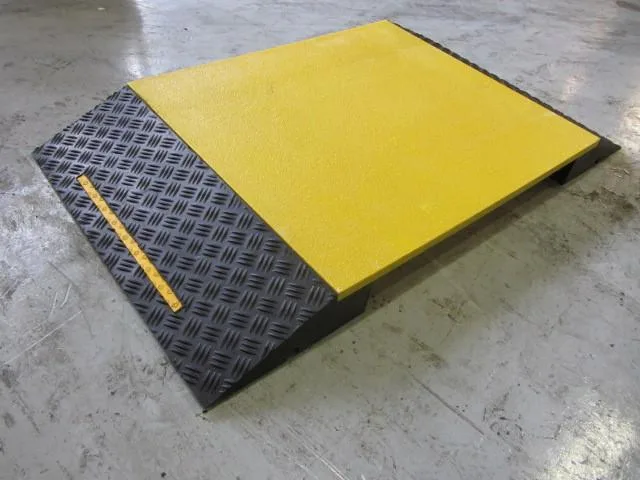
In industrial settings, temporary power cables, air hoses and extension leads often have to cross pedestrian walkways or vehicle routes. A line left loose on the floor creates two distinct hazards: trip injuries for people and crush damage to the cable itself. Cable protectors and hose ramps solve both problems at once with a simple, proven design. This guide covers materials, load ratings and correct placement from a practical buyer's perspective.
What Cable Protectors and Hose Ramps Do
A cable ramp routes the line inside a shaped channel, isolating it from wheel and foot pressure. At the same time it gives the floor a low-profile, anti-slip surface that is easy to see and walk on.
- Protection: The cable or hose is carried inside a rigid body that resists crushing.
- Safety: An anti-slip top surface and tapered edges reduce trips.
- Order: A defined crossing point makes route management far easier.
Should Electric Cables Be Covered?
If a cable crosses any pedestrian or staff route, it should be protected. Indoors, a low-profile cover in flexible rubber or PVC is usually enough. Outdoors, choose harder rubber or polyurethane blends that resist salt, UV and compression. Where the route is shared with vehicles, step up to a cable protector ramp with an appropriate load rating.
Load Ratings and Material Selection
When choosing a product, match the largest cable diameter and the heaviest vehicle likely to cross.
- Pedestrian only, indoor: Low-profile covers and anti-slip mats.
- Light vehicles or trolleys: Cable ramps with interlocking ends and defined channels.
- HGVs and forklifts: Industrial protectors with a tested axle load rating.
Always check the channel width, lid strength and axle rating on the data sheet, and never exceed those values.
Can You Drive Over a Cable?
A bare cable is easily pinched or sheared under tyres, especially at a door threshold or on uneven ground. Safe crossing is only possible with a ramp designed for the task. Set the ramp at right angles to the traffic flow so wheels meet the full width, not a corner. Keep the approach and exit clear of steps and potholes.
Placement at Doors and Temporary Works
Doorways are common snag points. Create a single, straight crossing point with a ramp wide enough to span the full opening and a flush approach on both sides. Hinged lids allow quick access, while interlocking ends add width where needed. For temporary works, use folding barriers to guide pedestrians around the crossing.
Winter Readiness and Maintenance
In winter, ice, grit and salt reduce the grip of anti-slip surfaces. Plan daily inspections, keep channels free of grit and standing water, and replace worn parts before peak season. Choose lids with reflective strips to improve low-light visibility and post speed guidance at vehicle crossings.