On-Site Cable Safety: A Guide to Hose Ramps and Cable Covers
Exposed cables and hoses cause trips and equipment damage. This guide shows how to choose the right cable covers and hose ramps for your site.
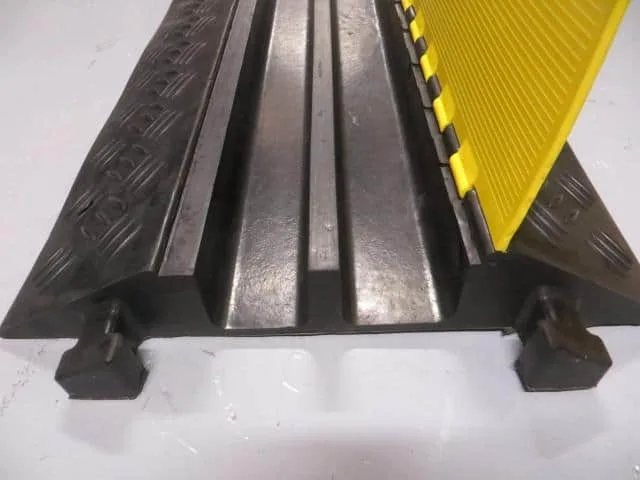
Site safety often comes down to the details that get overlooked, and what happens underfoot is one of them. Cables and hoses left across the floor cause a range of problems: trip hazards for people, accidental damage from vehicles, downtime, and unexpected repair bills. Whether you run a busy warehouse, manage a construction site, or maintain an outdoor venue, making cable and hose protection routine prevents accidents and disruption. This guide covers your options and how to make the right call for your site.
Why Exposed Cables Must Be Covered
Electric cables left loose on the floor are an accident waiting to happen. They create trip hazards for pedestrians and are exposed to damage from vehicles, equipment, and foot traffic. Covering cables is not just good practice; in many workplaces it is a legal safety requirement.
A proper cable cover acts as a barrier that protects both people and cabling. It sharply reduces the risk of slips, trips, and falls while helping you comply with health and safety regulations. If your layout changes frequently or you rely on temporary wiring, making cable protection standard is even more important.
Options for Protecting Cables and Hoses
There are two main ways to shield exposed lines from impact, crushing, and weather: cable covers and cable ramps. The right choice depends on site traffic, cable type, and whether the lines face vehicles or only pedestrian movement.
- Offices and indoor spaces: A simple cable mat stops staff tripping during daily work.
- Warehouses and outdoor areas: Heavy-duty cable ramps rated for forklifts, trucks, or plant machinery are essential.
- Fluid lines: For water, fuel, or air hoses, wider hose ramps with deeper channels are the answer.
What Is a Hose Ramp and When to Use One
A hose ramp is a type of protector ramp that lets vehicles and people cross over hoses without causing damage or restricting flow. Unlike basic cable covers, hose ramps are wider, with deeper grooves to accommodate thicker hoses. This design stops hoses being squashed by heavy equipment on active sites.
Use hose ramps wherever hoses are laid across vehicle routes or pedestrian walkways. This prevents damage and stops hoses from becoming dislodged and creating further risks.
The Purpose of a Cable Ramp
Cable ramps provide safe passage for vehicles and pedestrians over one or more cables or hoses. Their purpose is twofold: they cut trip hazards for anyone on site, and they keep electrical, data, or fluid lines safe from crushing, exposure, and accidental disconnection.
Most ramps are built from heavy-duty rubber to last in tough conditions and withstand repeated impact. Many are modular, making it easy to cover long runs and adapt as your layout changes. Look for textured surfaces to prevent slipping, especially outdoors.
Choosing the Right Protection for Your Site
Before selecting a system, assess your site conditions and ask:
- What traffic will pass over the cables: foot, vehicles, or both?
- Are the cables or hoses thick, flexible, or sensitive?
- Will they be exposed to water, chemicals, or outdoor weather?
- How often will you need to move or adjust the setup?
For demanding environments, heavy-duty cable and hose ramps that join together for long runs give the highest level of protection. If visibility matters, choose brightly coloured covers with non-slip surfaces. Cable covers and hose ramps are not optional extras; they are core components of a safe, compliant, and efficient workplace.