Trailer Landing Leg Plates: Stop Yard Damage Safely
Trailer landing leg plates protect your surface and landing gear. Learn how to pick the right material, size and placement for a safer yard.
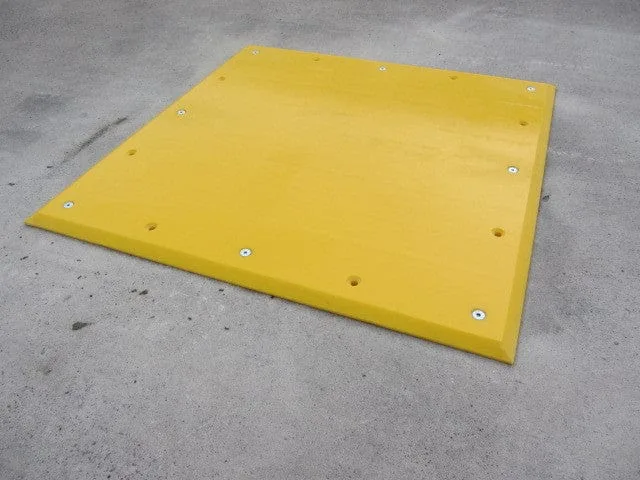
In a busy logistics yard, small oversights quickly turn into costly repairs. Trailer landing leg plates spread the concentrated load from the landing legs over a much wider area, protecting both your surface and the trailer's landing gear in a single, simple move. This guide explains what the plates do, the damage they prevent, and how to choose and position them for the best results on your site.
What do trailer landing leg plates do?
When a trailer is parked, a large share of its weight rests on the two landing legs, especially during loading and unloading. Without a plate, that point load goes straight into the ground. On soft asphalt, block paving or even concrete, this causes denting, cracking and spalling, while on wet or uneven surfaces the legs can sink or slip.
A broad-based plate increases the contact area, lowering ground pressure and improving friction so the legs stay level and stable. Hard-wearing materials such as UHMWPE resist abrasion and weathering, and chamfered edges combine durability with a low trip risk.
Why use landing leg plates?
- Protect your surface: The plate acts as a sacrificial layer that absorbs the knocks instead of your asphalt or concrete.
- Prevent sinking and slipping: A wider contact area improves stability on soft or sloped ground.
- Stabilise during loading: It reduces wobble from the dynamic loads created by forklifts and shifting pallets.
- Cut maintenance costs: Fewer bent feet and damaged legs mean less downtime and expense.
Preventing landing gear damage
Landing gear damage usually comes from point loading, twisting, dragging or impact. A few simple habits dramatically reduce the risk:
- Use a plate every time: Place the plate before lowering the legs and make it part of your standard unhooking routine.
- Lower legs evenly: Wind both legs down in small increments to keep the trailer level and avoid straining the cross shaft.
- Never drag the legs: Do not move the trailer with the legs lowered.
- Check ground conditions: Standing water, fresh tarmac or frost all affect stability, so use a larger plate where needed.
Choosing the right plate
Not all plates are equal. Keep these points in mind when selecting one:
- Material: UHMWPE is a tough, weather-resistant and surface-friendly all-round choice.
- Size and thickness: Heavier trailers and softer ground call for larger, thicker plates.
- Edge design: Chamfered edges lower the trip and snag risk.
- Visibility: Bright colours help teams position plates accurately in low light.
Integrating with wider yard safety
Trailer stability works alongside other controls that keep your yard safe. Consider pairing plates with wheel chocks on every parked trailer, safety barriers separating pedestrian routes, and cable or hose ramps so loading equipment does not create trip hazards. Used together, these measures make your yard more resilient and efficient. Our team is glad to help you choose the right combination for your surfaces and trailer mix.